Search Archives at Yale
Search Orbis Catalog

Today's Hours
| Manuscripts & Archives | 9:00am - 4:30pm |
Ask MSSA
Phone: (203) 432-1735
Email: beinecke.library@yale.edu
In Focus
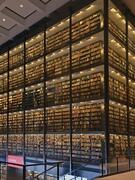
Yale University Library is restructuring its special collections to support a unified collection strategy and service model. The changes give the Beinecke Rare Book and Manuscript Library, already Yale Library’s largest and best-known repository, an expanded leadership role for special collections across the university library system. Effective July 1, 2022, the staff, operations, and collections of Manuscripts and Archives, Yale Library’s second-largest repository, merged with those of the Beinecke. Under the leadership of Michelle Light, associate university librarian for special collections and director of Beinecke Library, the expanded, reimagined Beinecke is prioritizing user experience, sustainable stewardship, and increased collaboration within Yale Library....